Friday 29 May 26
Beyond Transition: Why Service Leavers Are a Leadership Asset
By The Leadership Alchemist, a performance optimisation expert who believes in ethical intelligence, practical productivity, and the responsible acceleration of human potential.
Across boardrooms, leadership conferences and economic strategy discussions, one issue consistently dominates the agenda: The growing gap between the skills organisations need and the capabilities they can find.
Businesses are searching for leaders who can navigate uncertainty, manage complexity, make decisions under pressure, build resilient teams and adapt rapidly to change. At the same time, the UK continues to experience shortages across technology, cyber, infrastructure, engineering, logistics and transformation roles.
Yet one of the country’s richest leadership talent pools remains consistently misunderstood and, too often, underutilised: Service leavers and those transitioning from Government and Public Service careers.
This is not simply a veteran employment issue. It is a business leadership issue.
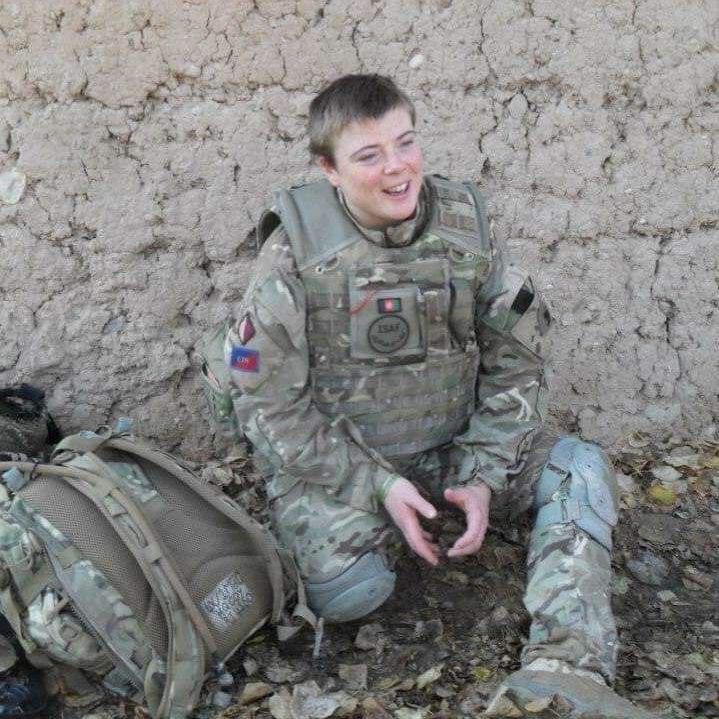
Serving on the frontline in Afghanistan, where my leadership skills and decision-making were tested daily, and at times in the line of fire.
The Leadership Capability Many Organisations Overlook
Too often, employers interpret military or government experience narrowly through job titles rather than leadership capability.
A logistics officer becomes “operations.”
An intelligence specialist becomes “analysis.”
A senior non-commissioned officer becomes “team management.”
In reality, many service leavers have spent years leading in environments defined by uncertainty, accountability, high stakes and rapid decision-making. They have managed people across diverse teams, operated within constrained resources, balanced competing priorities and delivered outcomes under pressure.
These are precisely the capabilities modern organisations claim they cannot find.
Recent UK government data highlights both the scale of this talent pool and the disconnect many veterans experience after leaving service. The 2022 UK Veterans’ Survey found that more than half of veterans (52.5%) had accepted jobs below their previous experience or skill level because employers failed to recognise their transferable capabilities.
This should concern every executive and talent team in the country.
At a time when organisations are investing heavily in leadership development, workforce resilience and transformation capability, many are simultaneously overlooking individuals who have already developed these qualities through lived experience.
Service Leavers Are Not Starting Again — They Are Reapplying Leadership
One of the most damaging assumptions surrounding career transition is the idea that service leavers are “starting from scratch.”
They are not. They are translating experience.
The leadership qualities developed through military and government service are deeply transferable:
- strategic decision-making
- resilience under pressure
- mission-focused execution
- stakeholder management
- ethical leadership
- adaptability
- systems thinking
- collaborative problem-solving
Importantly, these capabilities are increasingly valuable in industries undergoing disruption, particularly technology, cyber security, AI, digital transformation and infrastructure.
The UK tech sector, for example, continues to face significant skills shortages despite wider economic uncertainty. Employers increasingly need people who can learn quickly, operate in ambiguous environments and manage risk effectively.
This is where organisations such as TechVets are playing a transformative role.
The Importance of Organisations Like TechVets
Last week, I attended a TechVets event hosted by Cognizant in London, supporting fellow service leavers exploring careers in technology and innovation.
What stood out immediately was the sheer depth of talent in the room. Not only technical talent, but leadership talent.
TechVets exists to bridge the gap between military experience and the UK technology sector, helping veterans, reservists, service leavers and military families access training, mentoring, networks and employment pathways into digital careers.
Its impact is already significant. In 2024 alone, TechVets supported more than 2,800 individuals in digital upskilling and enabled hundreds of veterans to move into sustainable careers across cyber security, IT and data analytics.
Equally important is the role played by employers willing to challenge traditional recruitment assumptions.
Organisations partnering with TechVets are recognising something many recruitment systems still miss: Capability does not always arrive wrapped in conventional corporate language.
Some of the most effective future leaders may not present as “traditional hires.” They may speak differently about their experience. They may frame leadership in practical rather than performative ways. They may carry operational credibility rather than polished corporate narratives.
But they know how to lead.
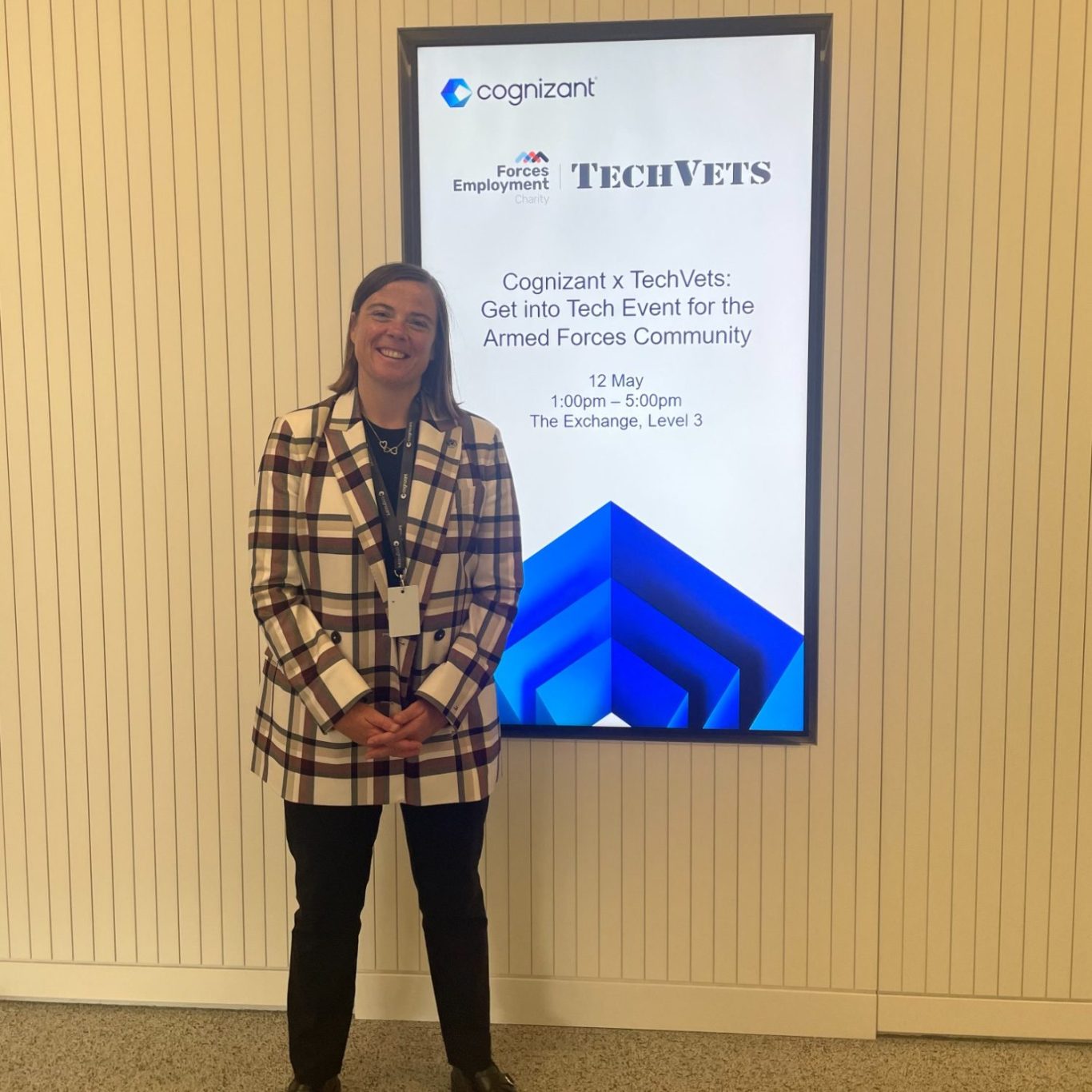
One of the privileges I enjoy today; a platform for supporting fellow Service leavers into Tech careers whilst challenging the problematic narrative around military service.
A Personal Reflection: Being Misunderstood and Underestimated
This issue is also deeply personal.
Like many service leavers and professionals transitioning beyond government practice, I have experienced the frustration of being misunderstood by employers who struggled to interpret non-traditional career pathways.
There is often an unspoken assumption that experience gained in service somehow becomes less relevant outside it. That leadership exercised in operational environments is not equivalent to leadership exercised in corporate settings.
Yet the irony is striking.
The same organisations seeking resilience, adaptability, accountability and strategic thinking frequently overlook candidates who have demonstrated these qualities for years in highly demanding environments.
Many veterans and service leavers quietly experience underemployment not because they lack capability, but because translation becomes their burden rather than the employer’s responsibility.
The Veterans’ Survey found that 61.4% of economically active veterans reported experiencing skills-related underemployment during their civilian careers.
Behind that statistic are people whose leadership value was simply not recognised.
This is not about sympathy or special treatment. It is about better leadership recognition and smarter talent strategy.
Why Action Learning Matters
One of the reasons service leavers often thrive in new sectors is because they are accustomed to learning through action.
In military and government environments, leadership is not developed theoretically alone. It is developed through experience, reflection, feedback, adaptation and shared learning under real conditions.
This aligns strongly with the principles of action learning — solving real problems whilst simultaneously developing leadership capability.
The best organisations increasingly understand that future leadership cannot rely solely on static qualifications or traditional career ladders. It requires individuals who can continuously learn, adapt and lead through uncertainty.
Service leavers have often been doing this for years.
A Leadership Opportunity for UK Industry
There are approximately 755,800 veterans and 30,000 reservists currently active within the UK labour market.
This is not a niche workforce issue. It is a strategic economic opportunity.
Forward-thinking organisations are beginning to recognise this, examples include:
- Technology firms investing in veteran pathways
- Cyber security employers targeting military talent
- Clean energy initiatives recruiting service leavers
- Public-private partnerships focused on skills translation
- Organisations embedding Armed Forces Covenant commitments into talent strategies
But there is still significant work to do.
Many recruitment systems remain over-reliant on conventional CV language, narrow competency matching and assumptions about “cultural fit.” In doing so, they risk filtering out precisely the leadership capabilities organisations most need.
The Question for C-Suite Leaders
The question for senior leaders is no longer whether veterans and service leavers can succeed beyond military or government careers. The evidence already shows they can.
The real question is whether organisations are prepared to evolve their own understanding of leadership potential.
If businesses genuinely want resilient leadership pipelines, stronger organisational cultures and greater adaptability in uncertain times, they must broaden how they identify talent.
Because leadership does not only emerge from traditional corporate pathways.
Sometimes it arrives through service.
Sometimes through responsibility under pressure.
Sometimes through years of learning to lead when outcomes truly mattered.
And often, those leaders are still waiting to be fully seen.
Stay safe, and add value. \
The Leadership Alchemist