Sunday 26 April 26
From Reflection to Results: Why Executive Leaders Need Structured Thinking and Trusted Challenge
By The Leadership Alchemist, a performance optimisation expert who believes in ethical intelligence, practical productivity, and the responsible acceleration of human potential.
In high-performing organisations, the difference between good leadership and exceptional leadership is rarely capability; it is clarity. At C-suite level, the pace, complexity, and consequence of decision-making leave little room for unstructured thinking. Yet without deliberate reflection, even the most experienced leaders risk defaulting to instinct, bias, or legacy patterns. Personal reflection, when applied with discipline, becomes a strategic tool: It sharpens judgement, improves decision quality, and ensures alignment between intent, behaviour, and organisational outcomes.
However, reflection in isolation has limits. The most effective executive leaders recognise that perspective is a competitive advantage, and that it is strengthened through structured, high-trust challenge. This is where action learning and facilitated peer groups come into their own. By creating environments where leaders are both supported and constructively challenged, action learning-based coaching enables deeper insight, faster problem-solving, and more accountable decision-making. It moves reflection from a passive activity to an active, outcome-driven process; one that directly impacts performance at both individual and organisational levels.
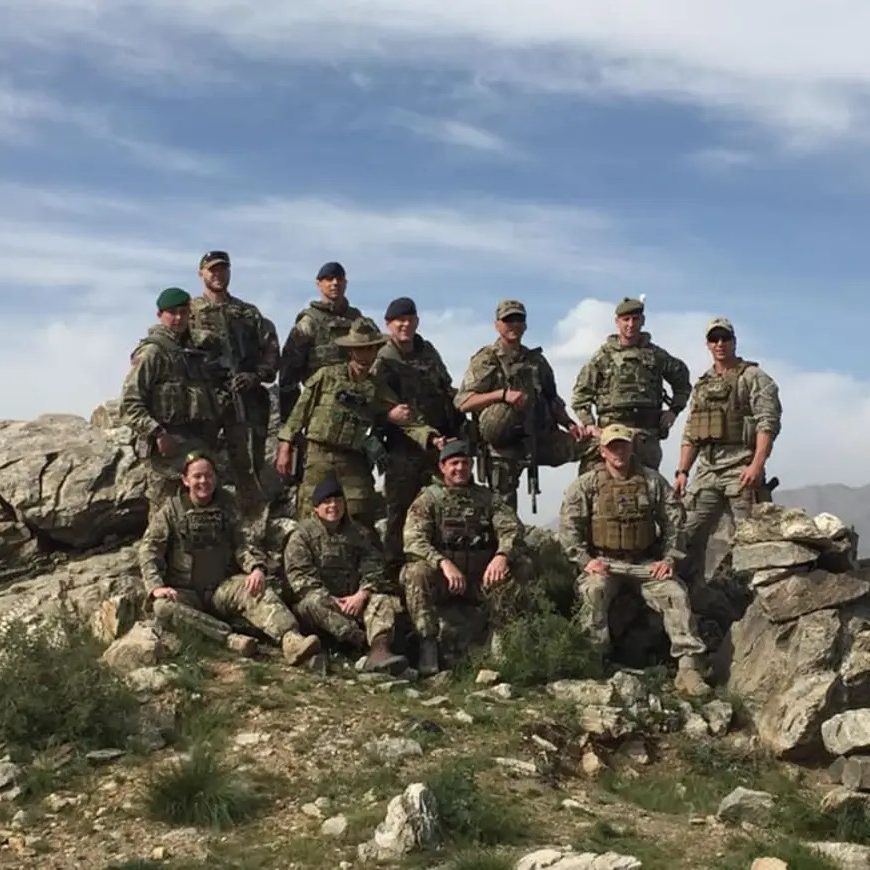
I learnt the power of connection and team reflection in action - leading teams on military operations across the Middle East.
This approach underpins how we design our leadership, coaching, and team development programmes. Through structured action learning sets, leaders bring real, current business challenges into the room and work through them with a trusted group of peers and AI enablers. The result is not only better decisions in the moment, but stronger leadership capability over time; built on self-awareness, critical thinking, and collective intelligence. For executive teams, this also translates into improved alignment, more effective communication, and a culture where challenge is both expected and valued.
Our recent inclusion on the Career Transition Partnership’s preferred supplier list reflects this commitment to structured, high-impact development. As a signatory of the Armed Forces Covenant, we understand the importance of providing individuals - particularly those transitioning from the military - with not just opportunity, but the tools, frameworks, and support networks that enable confident, effective leadership in new environments. Action learning plays a critical role here, offering a proven methodology for translating experience into insight and insight into action.
The same principles are evident in the communities we build and engage with. At the recent Gaynor’s Goal dinner at Old Trafford, the sense of connection, shared purpose, and collective reflection was unmistakable. From the precision and energy of the military drummers to the powerful speech delivered by dear friend Patricia, the evening reinforced a key leadership truth: Performance and impact are strengthened in environments where people feel connected, challenged, and supported. These are the conditions that action learning and team-based development programmes are designed to create; intentionally and consistently.
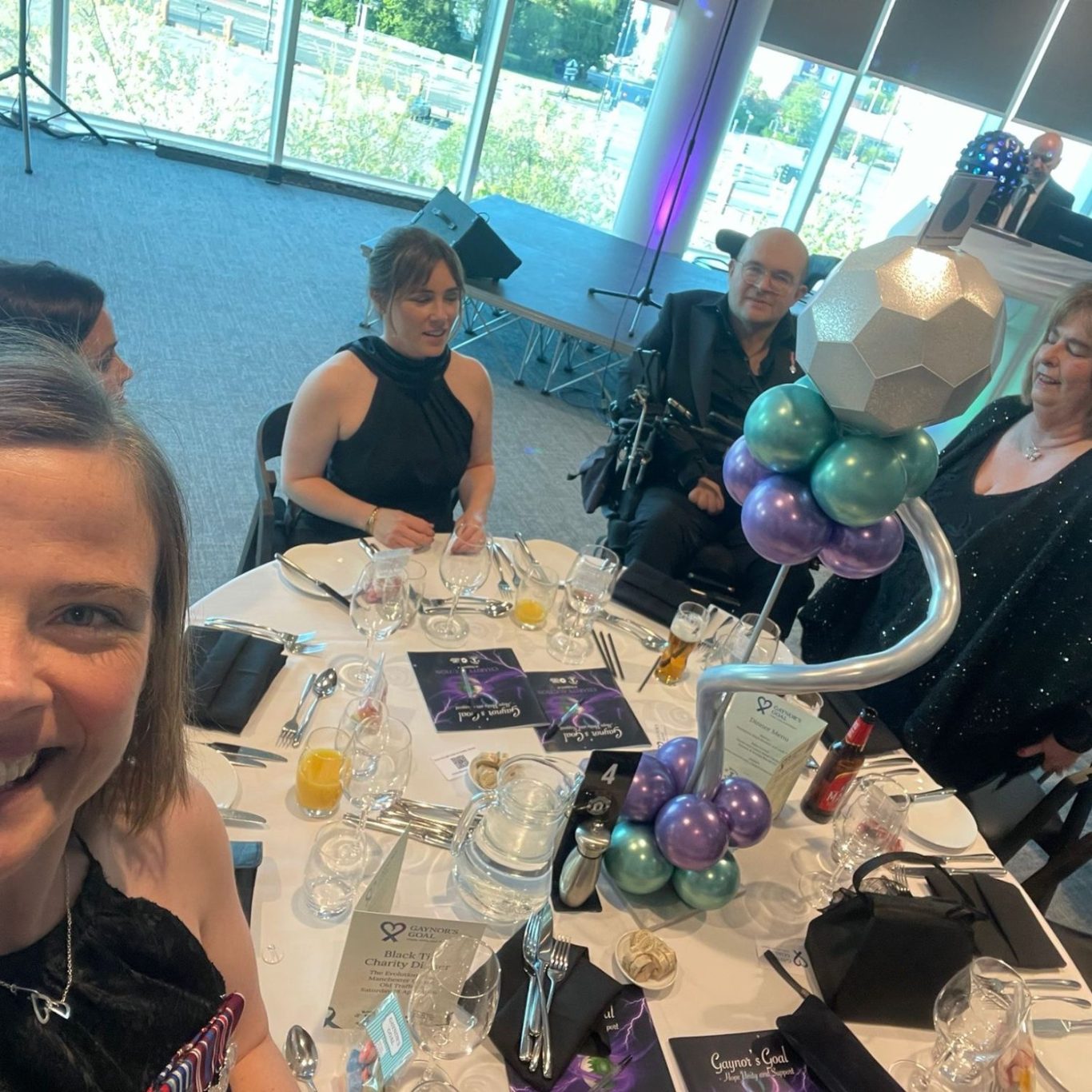
Celebrating community, connection and social impact at Gaynor’s Goal, in support of Target Ovarian Cancer and St Rocco’s Hospice.
For C-suite leaders, the question is no longer whether reflection matters, but how it is operationalised. Without structure, it remains inconsistent; without challenge, it remains incomplete. Action learning-based coaching and team development provide the mechanism to embed both—turning reflection into a disciplined leadership practice that drives measurable results.
Guidance for Senior Leaders
- Make reflection non-negotiable: Schedule protected time to think critically about decisions, behaviours, and impact; not just outcomes.
- Use challenge deliberately: Surround yourself with a trusted peer group that will question assumptions and expand your perspective.
- Work on real issues: Apply reflection to live business challenges to ensure relevance and immediate impact.
- Lead with self-awareness: Recognise that how you show up as a leader directly shapes culture, performance, and trust.
- Embed collective learning: Move beyond individual insight by creating team environments where reflection and dialogue are routine.
Call to Action
If you are serious about improving decision quality, strengthening alignment, and building high-performing teams, reflective practice must be embedded, not left to chance. Frameworks such as “self as instrument” from Mee-Yan Cheung-Judge emphasise that the leader themselves is the primary tool for change, requiring continuous reflection and refinement. Equally, Peter Senge highlights in his work on learning organisations that sustained performance comes from the ability to think, learn, and adapt collectively.
The opportunity for senior leaders is clear: Move reflection from an individual habit to an organisational capability. Through structured action learning and team development, you can create the conditions where insight consistently translates into action, and where leadership impact is both intentional and measurable.
Stay safe, and add value. \
The Leadership Alchemist