Friday 15 May 26
Leadership in an Age of Political Volatility: What the UK Can Learn from Today’s Government Landscape
By The Leadership Alchemist, a performance optimisation expert who believes in ethical intelligence, practical productivity, and the responsible acceleration of human potential.
Across the world, governments are navigating a period of intense uncertainty. Economic pressure, geopolitical instability, technological disruption, climate concerns, and declining public trust have created a political environment defined less by long-term strategy and more by short-term survival.
For leaders in business, public service, and communities across the UK, the current political climate offers an important opportunity for reflection. Whilst politics and leadership are not the same thing, government behaviour often reveals broader truths about communication, accountability, resilience, and trust.
The question is not simply whether governments are succeeding or failing. The more useful question is: What can leaders learn from the current political moment?
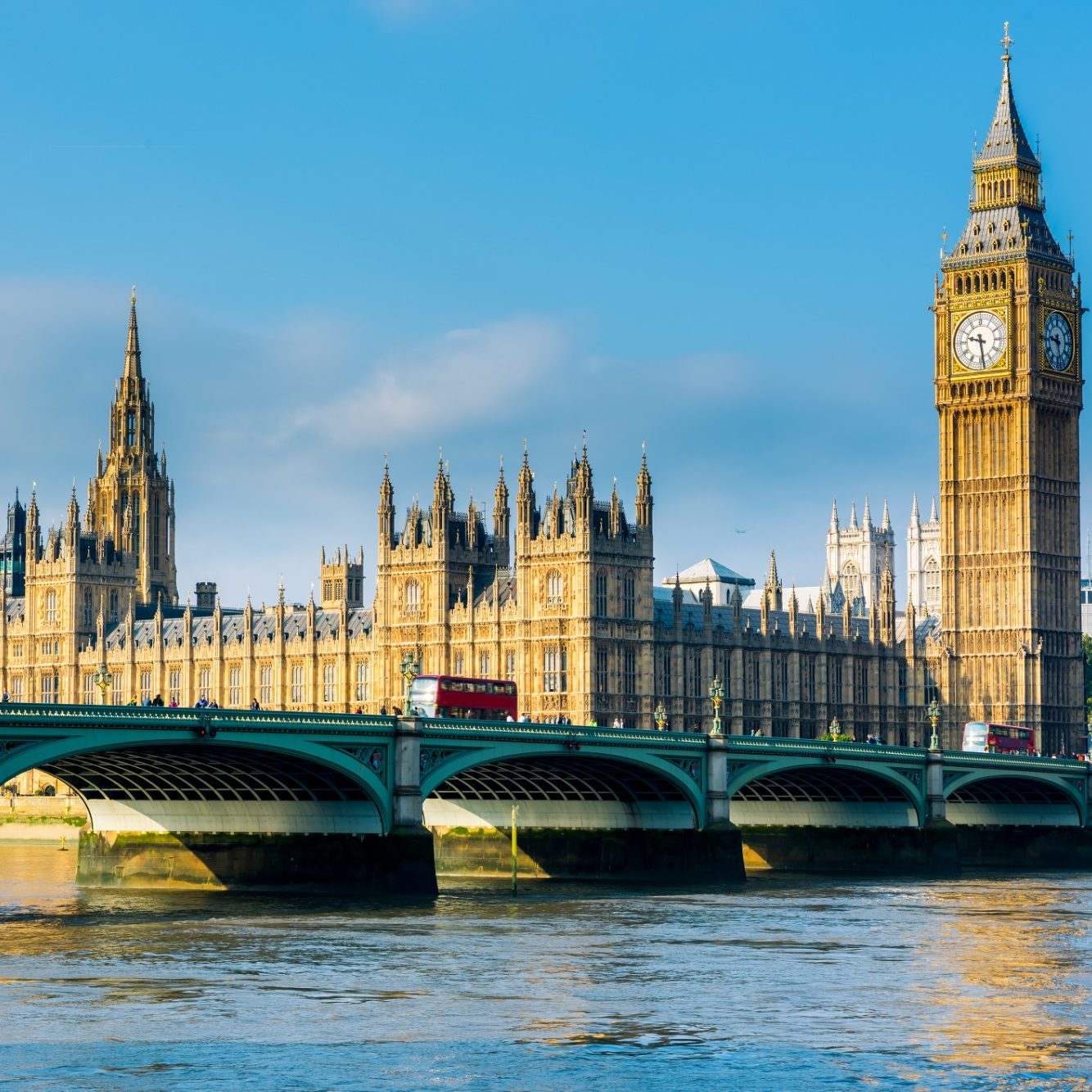
UK Houses of Parliament, where our Strategic Orbits Exercise® has empowered serving cross-departmental clients to navigate complexity and national dynamics more confidently.
The Crisis of Trust
Perhaps the defining issue facing modern governments is trust.
Across many democracies; including the UK, public confidence in institutions has weakened significantly. Recent Ipsos data found that only 9% of Britons trust politicians to tell the truth, whilst just 14% trust government ministers.
At the same time, the 2025 Edelman Trust Barometer reported that 61% of people globally now hold a “moderate or high sense of grievance” — believing governments and large institutions serve narrow interests rather than the public good.
For leadership professionals, this highlights a critical principle:
Trust is built through consistency, not visibility.
Modern political leaders are more visible than ever before. Yet visibility without clarity often creates confusion rather than confidence. Frequent announcements, policy reversals, and reactive communication may dominate headlines, but they rarely create stability.
The same dynamic applies inside organisations. Employees do not expect leaders to have every answer immediately. What they do expect is:
- Clear direction
- Honest communication
- Consistent decision-making
Leaders who communicate transparently during uncertainty often earn more credibility than those who attempt to project certainty they cannot sustain.
Short-Term Politics vs Long-Term Leadership
One of the defining criticisms of modern government is the dominance of short-term thinking. Election cycles encourage immediate wins over structural reform, and policy is increasingly shaped by media pressure and polling volatility.
The UK has experienced this repeatedly across:
- Housing
- Infrastructure
- Energy
- Healthcare
Long-term priorities can quickly become fragmented when leadership changes rapidly or political pressure intensifies.
Parliamentary officials face the paradox of delivering popular policy interventions whilst delivering on long-term priorities like NHS modernisation and affordable homes.
This matters because many of today’s biggest national challenges cannot be solved within a single electoral cycle. Productivity, public services, energy transition, and AI readiness all require long-term policy continuity.
Globally, the countries positioning themselves most effectively for the future are investing heavily in:
- Artificial intelligence
- Strategic industries
- Energy resilience
- Skills and education
Meanwhile, many Western democracies remain trapped in reactive political cycles.
Strong leadership requires the ability to balance urgency with patience.
The best organisations understand this instinctively. Effective leaders:
Think beyond quarterly pressure
Invest in systems, not optics
Build cultures that outlast personalities
Governments that fail to think beyond the next news cycle often resemble organisations stuck in permanent crisis management.
Communication Matters More Than Ever
Political discourse has become increasingly polarised. Social media has accelerated outrage, shortened attention spans, and rewarded emotional reaction over thoughtful debate.
This has implications far beyond Westminster.
In workplaces, leaders now operate in similarly fast-moving communication environments. Teams expect accessibility and authenticity — but constant communication without strategic clarity can quickly erode confidence.
The current political environment teaches an important lesson:
Leaders must communicate to inform — not simply to perform.
Strong communication is:
- Calm under pressure
- Grounded in evidence
- Focused on solutions
When communication becomes overly defensive or theatrical, trust declines rapidly.
This trend is increasingly visible internationally. An Ipsos survey across Western democracies found that satisfaction with democracy sits below 50% in most countries surveyed, with major concerns around misinformation, accountability, and institutional competence.
Leadership Fatigue Is Real
Another lesson emerging from modern government is the impact of sustained instability on morale. The UK has experienced years of political turbulence:
- Brexit divisions
- Leadership turnover
- Economic volatility
- Cost-of-living pressures
Public fatigue is becoming increasingly visible. Recent polling showed that 75% of Britons expect the economy to worsen over the next year — the lowest level of economic confidence recorded by Ipsos since tracking began in 1978.
Businesses are facing similar pressures. Employees today are navigating uncertainty around automation, inflation, hybrid work, and job security.
High-performing leadership in 2026 is not simply about authority or expertise. Increasingly, it is about resilience, adaptability, and emotional intelligence.
The leaders who will succeed are those who:
- Create psychological safety
- Acknowledge complexity honestly
- Maintain perspective during disruption
The Importance of Competence Over Personality
Modern politics often rewards visibility, charisma, and personal branding. Yet public frustration frequently grows when personality overshadows delivery.
This offers an important lesson for organisations. Leadership is ultimately measured by outcomes, not image.
Whilst communication matters, sustainable leadership credibility still depends on:
- Competence
- Accountability
- Integrity
The UK’s political environment increasingly demonstrates what happens when public perception and operational delivery drift apart. Reputation is built operationally first — and communicated second.
What the UK Needs Most from Leadership
At the national level, many citizens appear less interested in ideological battles and more focused on practical outcomes:
Economic stability
Functional public services
Affordable housing
Opportunity and fairness
This reflects a broader leadership truth:
People want leadership that reduces uncertainty, not amplifies it.
Internationally, there is growing demand for leaders capable of thinking long-term while maintaining public trust in the short-term. The countries likely to perform strongest over the next two decades may not be the loudest politically, but the most strategically consistent.
For the UK, that means rebuilding confidence through:
- Clear long-term vision
- Institutional competence
- Economic credibility
- Consistent leadership behaviour
The current political climate reminds us that leadership is not about dominating attention. It is about creating confidence.
Final Thoughts
The UK’s political situation reflects many of the pressures shaping leadership globally: uncertainty, fractured trust, rapid change, and rising public expectations.
But periods of instability also create opportunities to redefine leadership standards.
For business leaders, executives, entrepreneurs, and public sector professionals, the lessons are increasingly clear:
- Trust matters more than visibility
- Long-term thinking outperforms short-term reaction
- Calm communication builds confidence
- Competence matters more than personality
In uncertain times, leadership is tested not by how loudly people speak, but by how effectively they guide others through complexity.
And perhaps that is the most important lesson the UK can take from today’s political environment: stability, integrity, and long-term vision are no longer optional leadership qualities — they are strategic necessities.
Stay safe, and add value. \
The Leadership Alchemist