Saturday 21 Febuary 26
Leading in the Discomfort: A Conversation with Today’s C-Suite
By The Leadership Alchemist, a performance optimisation expert who believes in ethical intelligence, practical productivity, and the responsible acceleration of human potential.
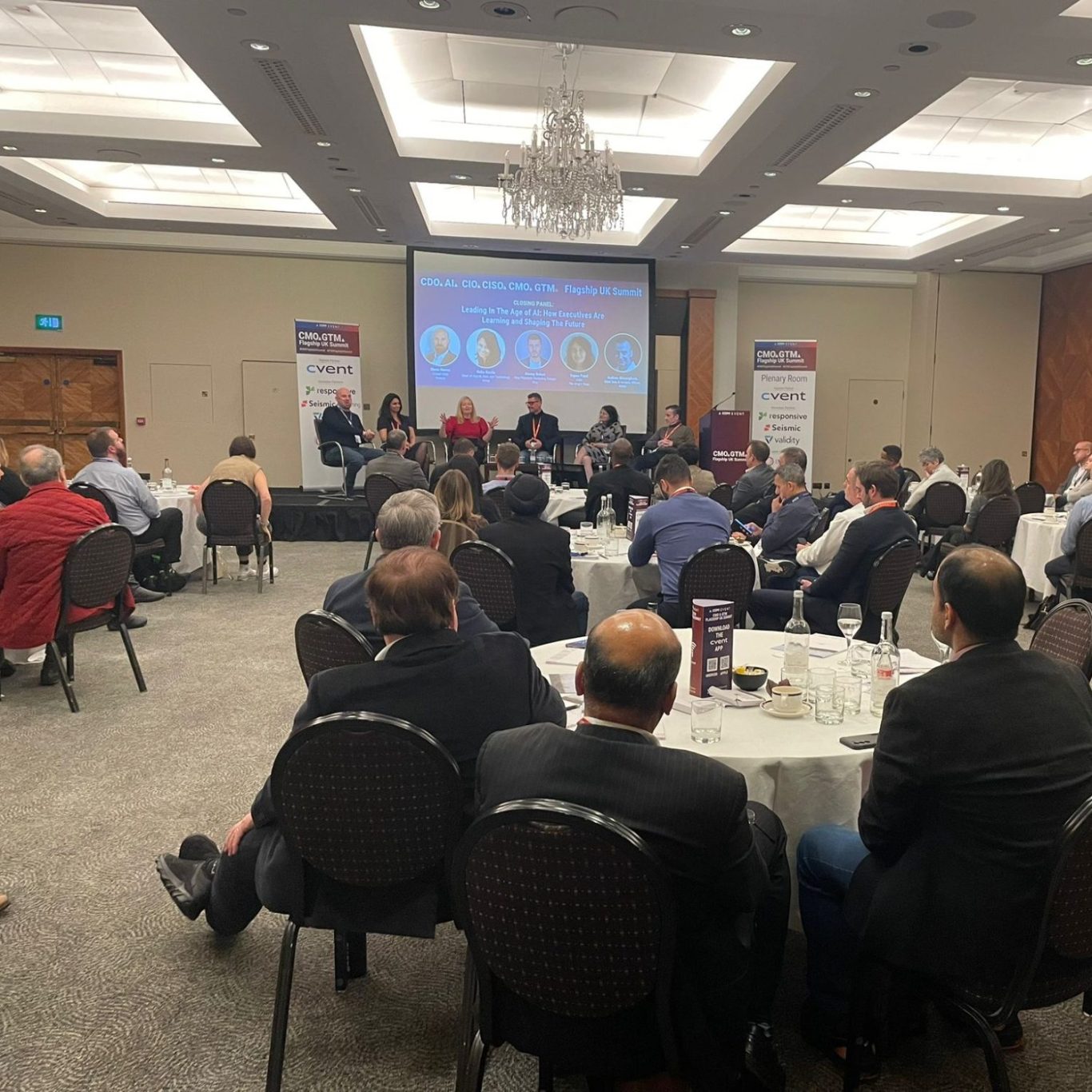
C-Suite executives at an international summit contemplate the opportunities and complexities of AI.
In recent months, almost every conversation I’ve had with senior leaders has carried a similar undertone. On the surface, the discussion is about market instability, geopolitical friction, slower buying cycles, supply chain redesign, capital constraints. But beneath the operational detail, there is something more human at play.
There is discomfort. Not panic. Not collapse. But a low-grade, persistent discomfort that is shaping how leaders think, decide, and relate to one another.
Some describe it as market pressure that never quite lifts. Others talk about ambition that has outpaced leadership readiness; teams scaling faster than their capability, and strategy running ahead of structure. A few are candid enough to admit that they feel exposed: The stakes are higher, the scrutiny is sharper, and the margin for error ever thinner.
Geopolitics has amplified all of it. Volatile policy environments, regional conflicts, industrial strategy shifts, technology controls; these forces have shortened strategic half-lives. Decisions that once felt durable now feel provisional. Partnerships that once felt straightforward now carry clauses, contingencies, and quiet caution.
It’s not surprising that buying confidence is lower. Boards are probing harder. Investors are asking more pointed questions about exposure. Executive teams are hesitating just a little longer before committing capital. And in that hesitation, behaviour shifts markedly.
I am seeing partnerships negotiated with more protection than optimism. I am seeing strategic narratives polished to reassure multiple audiences at once; investors, regulators, employees; sometimes stretching coherence. I am seeing organisations quietly holding back, conserving energy and capital until the fog clears. None of this reflects poor leadership. It reflects the weight of the moment. But the cumulative effect matters.
When caution becomes chronic, ambition narrows. When signalling outpaces substance, trust thins. When self-protection becomes the dominant instinct, collaboration weakens.
Several CEOs have told me, in different ways, “We’re playing not to lose right now.” That mindset is understandable. Yet over time, it subtly reshapes organisational culture. Teams become more risk-averse. Innovation slows. Partnerships become transactional rather than relational.
At the same time, ambition has not diminished. If anything, it has intensified. Growth targets remain. Transformation agendas continue. AI investments are accelerating. Market expectations are not forgiving. This creates a tension I see repeatedly: Ambition outstripping leadership readiness.
Organisations are trying to scale into new markets, adopt new technologies, redesign supply chains, and reposition brands; all whilst navigating political volatility and financial scrutiny. The technical strategy may be sound. The emotional and organisational capacity to deliver it is often stretched. This is where leadership maturity becomes decisive.
The most effective executives I am working with are not pretending certainty. They are not projecting exaggerated confidence. Instead, they are doing three things consistently.
Firstly, they are naming the discomfort. In boardrooms and executive sessions, they acknowledge that conditions are unstable. They distinguish between structural risks and temporary noise. That transparency lowers anxiety rather than raising it.
Secondly, they are tightening alignment. Rather than overextending through grand commitments, they are sequencing moves; pilots before scale, staged investments instead of sweeping bets. This restores forward momentum without reckless exposure.
Thirdly, they are investing deliberately in trust. They are having more direct conversations with partners about geopolitical exposure. They are clarifying decision principles internally so that trade-offs feel coherent rather than reactive. They are choosing consistency over performance.
Trust, in this environment, is not a soft virtue. It is strategic infrastructure.

The Strategic Orbits Exercise provides a unique methodology, through which C Suite and Board teams can make collective sense of their complexity in the moment and identify the best next steps.
The external environment may remain fragmented. Policy shocks will continue. Markets will oscillate. But organisations with strong internal trust, clear decision logic, and disciplined ambition can move whilst others stall.
One of the most telling remarks I heard recently came from a chair who said, “The market is unstable, but what really worries me is leadership fragility.” That insight is profound. Market cycles are inevitable. Leadership fragility is preventable.
The task now is not to eliminate discomfort but to work with it.
That means strengthening executive capability alongside strategic ambition. It means resisting the temptation to posture when the pressure rises. It means recalibrating rather than retreating. It means acknowledging when growing plans require more leadership depth and not just more capital.
We are in a period where efficiency has already given way to resilience. The next shift must be from guardedness to grounded confidence. The leaders who will define the next decade will not be those who avoided uncertainty. They will be those who learned to operate within it without losing coherence. Discomfort, handled well, becomes a developmental force.
The question for your C-suite team is not whether the pressure will ease. It is whether your leadership maturity is growing at the same rate as your ambition.
That is the real work of this moment.
Stay safe, and add value. \
The Leadership Alchemist