Friday 17 April 26
Public Trust, Executive Accountability, and the Role of Real-Time Simulation
By The Leadership Alchemist, a performance optimisation expert who believes in ethical intelligence, practical productivity, and the responsible acceleration of human potential.
For senior leaders, trust is no longer a reputational asset, it is an operational dependency. When trust erodes, decision-making slows, scrutiny intensifies, and organisational freedom to act becomes constrained. In today’s environment, accountability is not judged retrospectively; it is assessed in real time, often in full public view.
Recent events across UK public life have reinforced a critical point: Stakeholders; whether citizens, regulators, investors, or partners, expect leadership teams to demonstrate not only sound judgement, but clear evidence that decisions are robust, defensible, and stress-tested under pressure.
This has direct implications for executive leadership.
Moving Beyond Static Assurance
Traditional assurance models; policies, audits, and governance frameworks, remain necessary but are no longer sufficient. They tend to validate what should happen, not what will happen when systems are under strain.
Real-time, time-bound simulation and modelling changes that dynamic. It allows executive teams to rehearse decision-making in conditions that closely mirror live operating environments:
- Compressed timelines
- Ambiguous or conflicting data
- Cross-functional dependencies
- Immediate reputational exposure
For the C-suite and board, this is not an abstract exercise. It is a practical way to test whether strategy, governance, and operational capability align under pressure.
Executive Accountability in Practice
Accountability at executive level is increasingly personal, visible, and time-sensitive. Boards, regulators, and the public expect leaders to:
- Make decisions quickly, with incomplete information
- Articulate clear rationale under scrutiny
- Maintain alignment across complex organisations
Simulation provides a disciplined environment to practise these behaviours. It exposes friction points that are often invisible in day-to-day operations; unclear decision rights, bottlenecks in information flow, or misalignment between executive intent and operational execution.
Crucially, it allows leadership teams to address these issues before they are tested in reality.
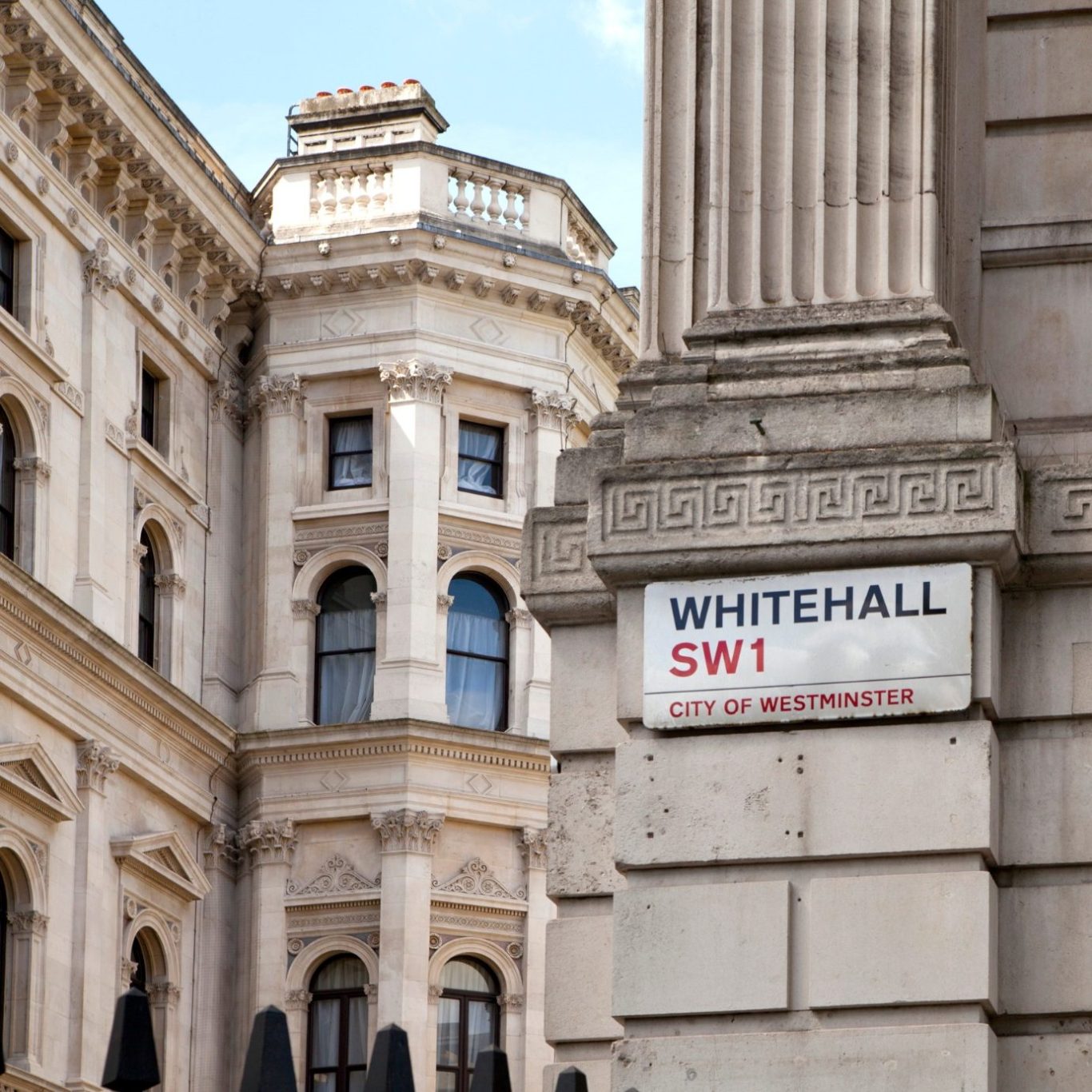
Whitehall, London - the heart of UK Government.
Insights from COVID-19 System Response
During the COVID-19 pandemic, I worked with senior teams across Whitehall, supporting decision-making in a context defined by speed, uncertainty, and sustained pressure.
What distinguished more effective responses was not the absence of risk, but the presence of rehearsal. Organisations that had engaged in structured, time-bound exercises, whether strategic or operational, were better able to:
- Translate policy into co-ordinated action
- Maintain clarity of accountability across departments
- Anticipate downstream impacts of executive decisions
In contrast, where simulation capability was limited, leadership teams were often forced into reactive patterns, with consequences for both delivery and public confidence.
A key lesson for executives is this: capability under pressure cannot be improvised. It must be built and tested in advance.
Simulation as a Strategic Capability
For the C-suite, simulation should be treated as a strategic decision support capability, not a training activity. When integrated effectively, it strengthens three areas critical to executive performance:
1. Decision Integrity
Ensuring that decisions remain robust when time, data, and certainty are constrained.
2. Organisational Alignment
Testing whether functions; risk, operations, communications, legal, move coherently in response to executive direction.
3. Trust and Credibility
Demonstrating, internally and externally, that leadership decisions are informed, disciplined, and accountable.
Embedding Simulation at Executive Level
To deliver value, simulation must be anchored in real business priorities. For executive teams, this typically means:
- Designing scenarios around strategic risks (e.g. regulatory intervention, operational disruption, reputational crises)
- Involving the full executive cohort, not just operational teams
- Linking exercise outputs directly to board-level discussions and risk frameworks
This approach ensures that simulation informs not only preparedness, but governance and strategic decision-making.
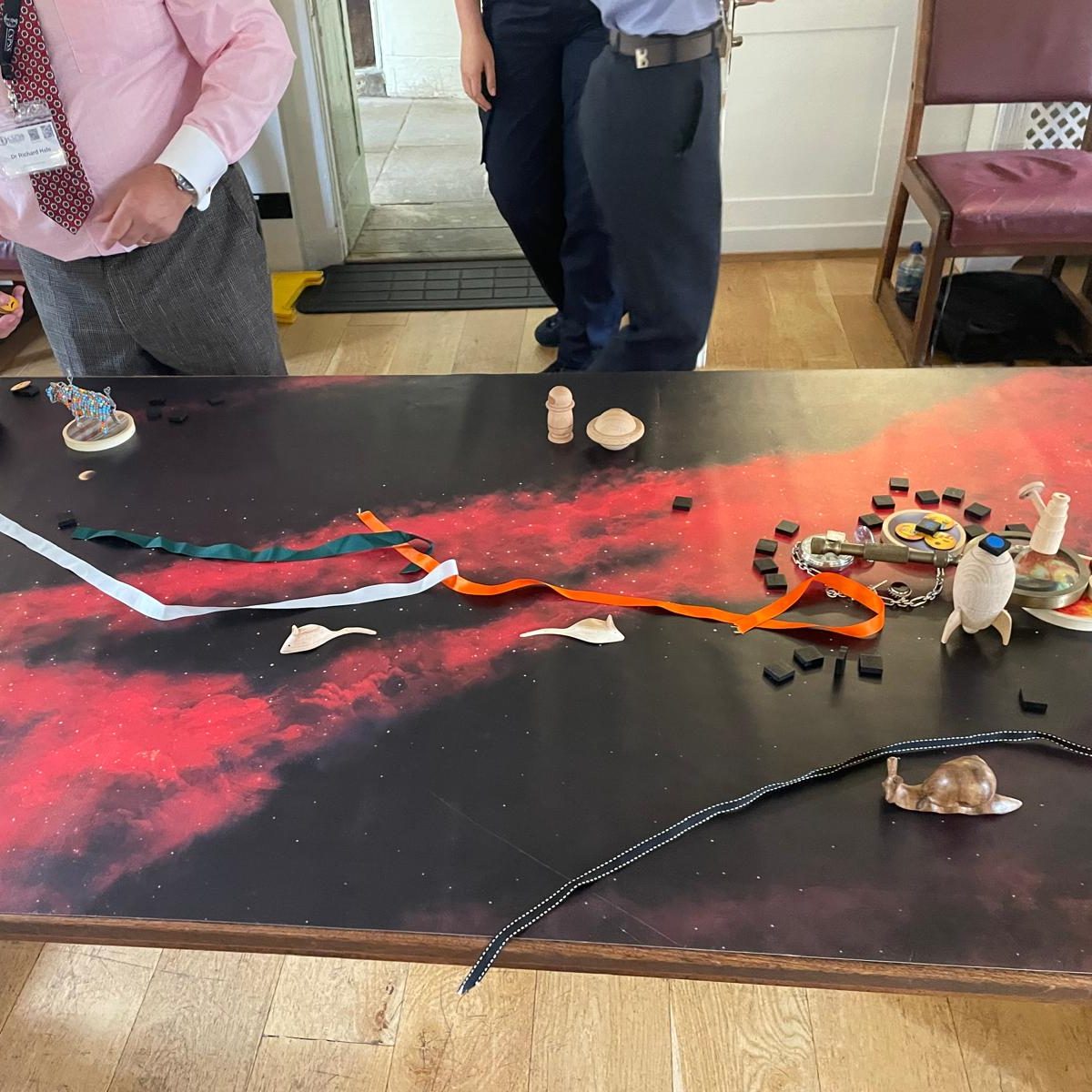
Guiding Military and NHS surgeons and nurses through the Strategic Orbits Exercise® in a complex and high scrutiny landscape.
The Leadership Signal
In an environment of heightened scrutiny, how leaders prepare is increasingly as important as how they respond. Time-bound simulation sends a clear signal to boards, regulators, and stakeholders that the organisation takes accountability seriously.
It demonstrates that leadership is not relying solely on plans, but is actively testing its ability to execute under pressure.
For C-suite leaders, this is the shift: from assurance to evidence, from intention to demonstrable capability.
Public trust follows accordingly. Learn more about how we empower businesses, public bodies and leadership teams to stress-test their plans and assurance and create true accountability with the Strategic Orbits Exercise®.
Stay safe, and add value. \
The Leadership Alchemist