Saturday 3 January 26
The New Year Return: Performance, Pressure, and Moral Refuge
By The Leadership Alchemist, a performance optimisation expert who believes in ethical intelligence, practical productivity, and the responsible acceleration of human potential.
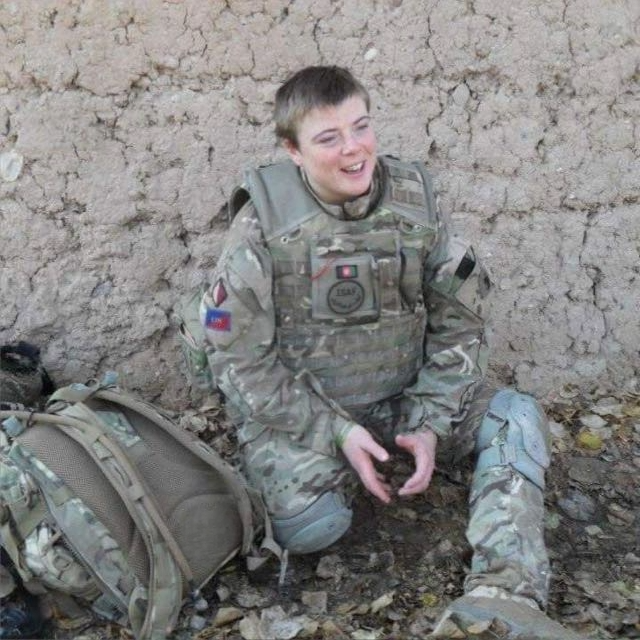
On operations in Afghanistan, Jan 2013, after a short winter break in the UK.
The start of a new year brings a familiar leadership challenge: The return to work.
Across organisations, leaders are resetting expectations around presence, performance, and pace. The language varies: ‘Return-to-work', ‘re-engagement’, ‘new momentum’. But beneath the policy discussions sits a deeper tension: How people transition back into sustained performance after a period of rest, reflection, or reset.
I’ve experienced this tension in two very different environments: Business and the military. The contexts differ, but the human dynamics are strikingly similar.
Returning to Performance Is Never Just About Location
In business, returning to work, particularly to the office, is rarely just about geography. It signals a return to visibility, scrutiny, and informal measurement. Performance becomes public again. Calendars refill. The sense of being observed quietly increases.
In the military, that transition is unmistakable. Returning to operations after time at home brings an immediate rise in tempo and consequence. Even returning to life in barracks after Christmas; fitness tests, inspections, routines, reasserts standards and comparison. You feel the pressure before it is spoken.
In both worlds, the message is the same: You are back in the arena.
Pressure Is a Tool - Not a Strategy
Performance pressure is not inherently negative. In the military, standards build trust. You know the person next to you has met the same bar. Shared challenge creates cohesion, pride, and purpose. The same applies in high-performing organisations. Clear expectations and accountability can sharpen focus and execution.
But pressure without balance becomes corrosive.
Relentless visibility, constant comparison, and the unspoken demand to always be “on” slowly drain judgment, creativity, and commitment. People stop doing their best work and start doing only what feels safe.
One of the most common leadership mistakes at the start of the year is assuming that pressure alone creates momentum. It doesn’t. It simply exposes the health (or fragility) of the system underneath.
Moral Refuge: The Missing Leadership Capability
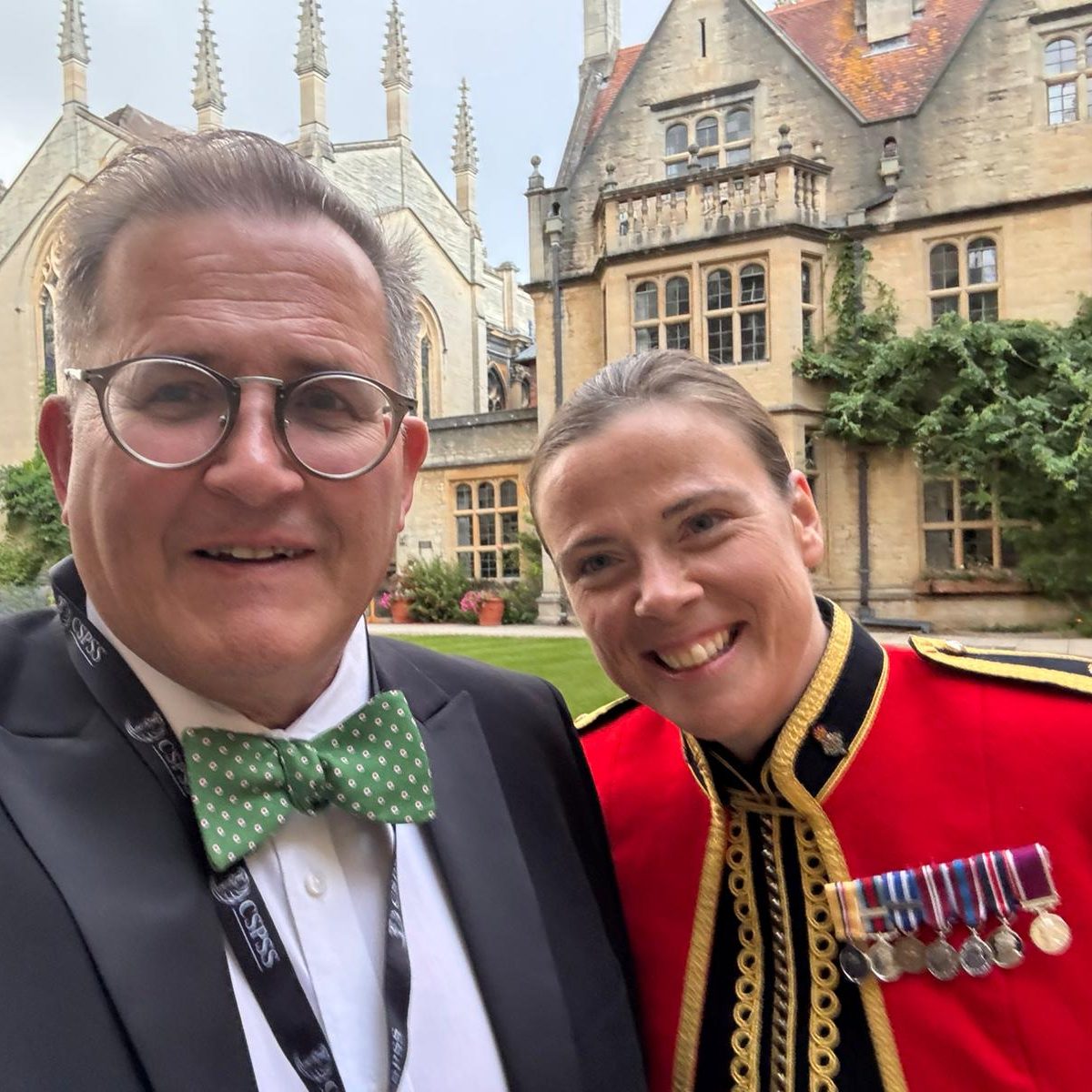
Richard and I supporting the Combined Services Plastics and Reconstructive Surgeons in preparation for overseas deployments and high tempo NHS work.
One concept the military understands well, though it is not always named, is moral refuge: Space to recover perspective, reconnect with values, and remember why the work matters. Moral refuge is not weakness. It is what makes sustained performance possible. In military teams this refuge is largely built through informal rituals and practices, such as group social activities, sports and adventure training. Simple acts of togetherness outside of formal boundaries go a long way in building moral refuge and team resilience.
In recent years, flexibility, autonomy, and trust-based leadership have quietly provided this refuge for many professionals. Removing this refuge without replacing it with meaning, safety, and purpose creates compliance, not commitment.
As leaders, the question is not only where people work, but what state they are returning in.
Alignment Beats Compliance
You can mandate ‘attendance’. You can enforce policy. You can measure output. But you cannot mandate belief. The highest performers, whether soldiers or executives, are those whose work aligns with their values. They understand the cost of performance and have chosen it deliberately. They are not just complying with expectations; they are invested in outcomes.
At the start of the year, this is the real leadership opportunity:
- To clarify purpose, not just priorities
- To align standards with values
- To create conditions where people can perform hard without losing themselves
Doing What You Love Is Not ‘Soft’ Advice
“Do what you love” is often dismissed as naïve. In reality, it is deeply pragmatic.
The demands of modern professional life are too high to be sustained by obligation alone. People who care about their work recover faster, think more clearly under pressure, and stay engaged when things become difficult.
That doesn’t mean loving every day. It means believing the effort is worth it.
A Call to Action for Leaders
In my military career, the moments that stayed with me most were not the operations themselves, but the transitions. Coming back from time at home and returning to operations, you could feel the shift immediately. The tolerance for error narrowed. Expectations were clear and unforgiving. That pressure could sharpen performance and strengthen the team, but only when it was matched with trust, purpose, and competent leadership.
The same applied in smaller moments: Returning to barracks after Christmas, stepping onto the fitness test track, knowing you would be measured against a fixed standard and your peers. Standards mattered. They built credibility. But the best leaders understood something critical: Standards alone do not create commitment.
The leaders who got the best from us created space, sometimes quietly, for recovery, perspective, and meaning. They knew when to push and when to protect.
They understood that sustained performance required more than pressure; it required moral refuge. This is the lesson business leaders should carry into the new year.
Return-to-work decisions are not neutral acts. They signal what you value. They shape how safe it feels to take risk, to think creatively, and to bring judgment rather than just effort.
As an executive, your role is not to remove pressure, but to design it well. So, the call to action is simple and demanding:
- Be explicit about why performance matters, not just how it is measured
- Create standards that build pride, not quiet fear
- Ensure people have psychological and moral refuge from constant performance demands
- Ask whether success in your organisation aligns with a life worth sustaining
Because the truth I learned in uniform; and have seen again in business, is this: People will endure enormous pressure and demonstrate great resilience when the work aligns with their values, and when they trust their leaders.
As this year begins, don’t just bring people back to work. Bring them back to purpose.
That is how you build performance that lasts.
Stay safe, and add value. \
The Leadership Alchemist